Where Stinging Insects Commonly Build Nests Around Buildings
Local service providers can help identify and safely remove stinging insect nests around buildings, preventing bites and ensuring your safety.
If you’ve been wondering where stinging insects commonly build nests around buildings, you’ve come to the right place. Understanding these typical nesting sites can help property owners identify potential problem areas early, reducing the risk of unwanted insect activity and potential stings. Whether you’re dealing with a visible nest or simply want to know where to keep an eye out, exploring this topic can provide practical insights for maintaining a safer outdoor environment. Local contractors who specialize in stinging insect control are well-equipped to handle these issues, offering effective solutions tailored to the common nesting spots around buildings.
Knowing where stinging insects tend to establish their nests around structures can also be useful for prevention and early intervention. Many nests are built in places like eaves, wall voids, gutters, or behind shutters-areas that often go unnoticed until activity increases. Property owners in the area may find it beneficial to explore these common locations to minimize the chance of infestations. Service providers experienced in stinging insect control can assess these areas and implement targeted removal or exclusion strategies, helping to keep outdoor spaces safe and comfortable. Keep reading to discover more about these typical nesting sites and how local experts can assist in managing stinging insect populations effectively.
- Wall and eaves nests - when stinging insects build nests on building exteriors, local contractors can carefully remove and prevent future nesting in these areas.
- Underground nests - if insects establish nests beneath building foundations or near walkways, local service providers can identify and safely eliminate these hidden colonies.
- Attic and roof spaces - in cases where stinging insects invade attics or roof voids, local pros can perform thorough inspections and nest removal to protect the structure.
- Porch and deck areas - when nests form around outdoor living spaces, local contractors can safely remove the nests and advise on preventative measures.
- Tree and shrubbery proximity - if nests are built in nearby trees or dense shrubbery close to buildings, local specialists can address the issue to reduce the risk of insects nesting on the structure.
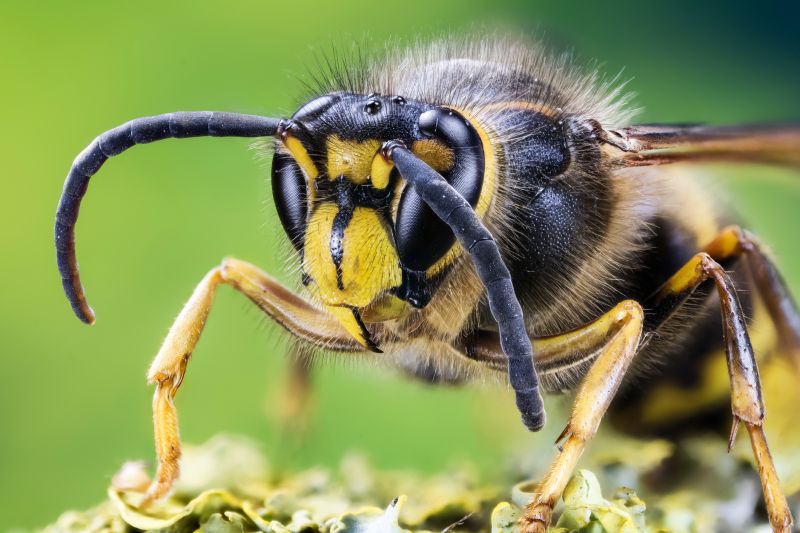
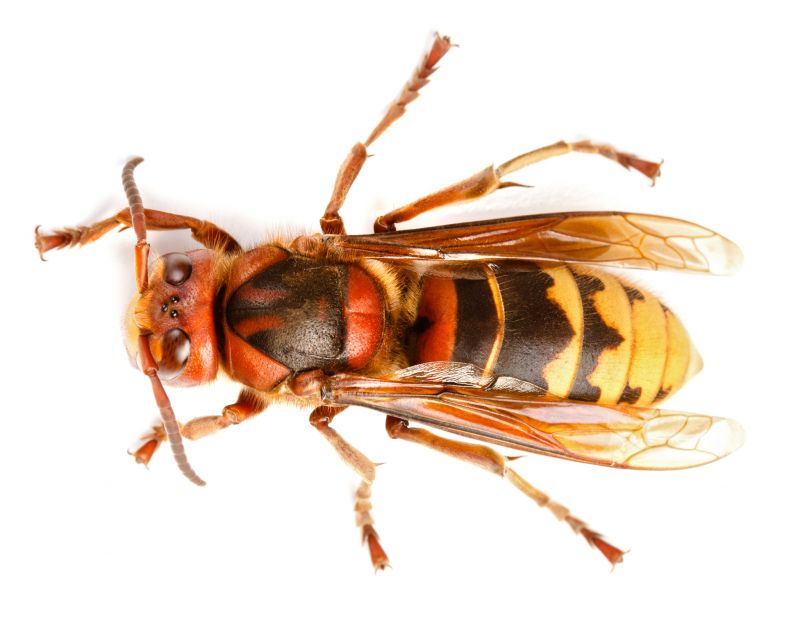
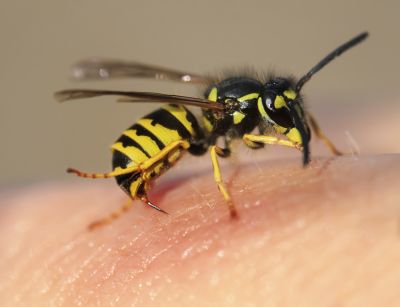
Understanding where stinging insects commonly build nests around buildings is an important step for homeowners concerned about pest activity and safety. When people search for this topic, they often want to identify the typical locations where these insects choose to establish colonies near their homes or workplaces. This knowledge helps in planning effective removal strategies and preventing future infestations. Homeowners may also be interested in understanding the behaviors of different stinging insects, such as wasps, yellowjackets, and hornets, to better recognize signs of nests and decide when professional intervention is necessary.
The search for information about nest locations is usually connected to problems like increased insect activity, potential stings, or property damage. Many property owners plan to remove or prevent nests to avoid hazards, especially during peak insect seasons. Others may be preparing for pest control treatments or considering preventive measures around their properties. Knowing the common nesting spots allows homeowners to focus their efforts on high-risk areas and helps them understand how local service providers can assist in safely and effectively removing nests or implementing exclusion methods.
Properties that typically come up in these discussions include residential homes, commercial buildings, and public structures. In residential settings, nests are often found in areas that provide shelter and access to food sources, such as eaves, soffits, porches, and decks. Commercial properties like warehouses, restaurants, and storage facilities may also be targeted by stinging insects, especially in hidden or less visible spots. Public spaces, including parks and playgrounds, can become nesting sites as well, creating safety concerns for visitors. Recognizing these common property types and their vulnerable spots makes it easier for homeowners and property managers to work with local contractors who specialize in stinging insect control.
Local service providers play a vital role in addressing nest-building issues around buildings. They have the expertise to identify typical nesting sites, assess the risk level, and implement safe removal methods. Whether nests are located in wall voids, under roof eaves, or in ground-level shrubbery, these professionals can provide tailored solutions to eliminate existing nests and prevent future ones. For property owners, understanding where stinging insects commonly build nests around buildings helps in making informed decisions and working effectively with local contractors. This collaboration ensures that pest issues are managed efficiently, reducing the risk of stings and property damage.
Building Inspection and Assessment - Professionals skilled in identifying potential nesting sites around buildings can help locate areas where stinging insects are likely to build nests, similar to their nesting behavior around structures.
Pest Prevention Planning - Local contractors experienced in pest prevention can advise on strategies to reduce nesting opportunities in common areas where stinging insects tend to establish nests.
Structural Repairs and Modifications - Expertise in repairing and modifying building features can assist in sealing entry points and reducing suitable nesting sites for stinging insects.
Exterior Cleaning and Debris Removal - Service providers skilled in exterior maintenance can help remove debris and materials that attract insects to build nests around buildings.
Wildlife and Nuisance Animal Control - Similar skills are used by pros who manage animal nesting behaviors, which can be applied to controlling stinging insect nests around structures.
Garden and Landscape Maintenance - Professionals in landscaping can identify and address areas that provide ideal nesting conditions for stinging insects near buildings.

When comparing service providers for stinging insect control, it’s important to consider their experience with similar projects. Local contractors who have handled nests around buildings in the past are likely to understand common nesting sites and effective removal techniques. Asking about their previous work can provide insight into their familiarity with the specific challenges posed by stinging insects in residential settings, helping to ensure they are well-equipped to manage nests in areas such as eaves, soffits, or wall voids.
Clear, written expectations are essential when evaluating potential service providers. A reputable contractor should be able to outline the scope of work, including inspection procedures, treatment methods, and follow-up plans. This clarity helps homeowners understand what will be done, how nests will be accessed, and what safety measures are included. Having these details in writing can also serve as a reference throughout the project, reducing misunderstandings and ensuring that the service aligns with the homeowner’s needs.
Reputable references and strong communication are key indicators of a reliable local contractor. Service providers who can provide references from previous clients demonstrate their track record of successful nest removals and effective stinging insect management. Good communication involves promptly addressing questions, explaining treatment options, and keeping homeowners informed about progress. This transparency fosters confidence and ensures that the homeowner feels comfortable throughout the process, ultimately leading to a more satisfactory experience when dealing with nests around buildings.
Property owners often search for where stinging insects commonly build nests around buildings when they are planning practical projects around their homes and businesses. Local pros provide Stinging Insect Control services for everyday jobs and straightforward project options.
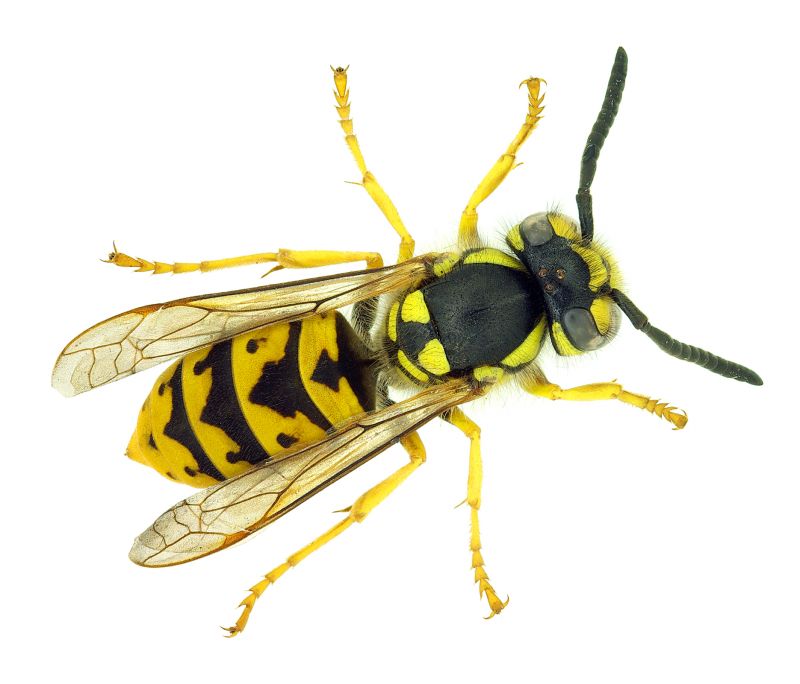
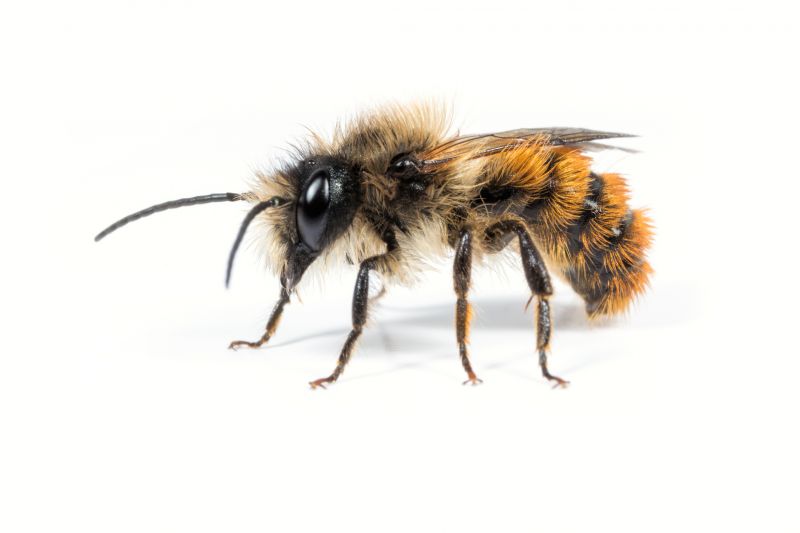
Stinging insects such as wasps, hornets, and yellowjackets tend to build nests in areas around buildings that offer shelter and easy access to food sources. Common locations include eaves, soffits, attic spaces, wall voids, and beneath decks or porches. These spots provide protection from the elements and make it easier for insects to establish colonies close to human activity, often leading property owners to notice increased insect activity or the presence of nests in these areas.
Property owners in the local area might seek out stinging insect control services when they notice nests forming in or around these common sites. Local contractors can safely remove or manage nests to reduce the risk of stings and prevent further insect activity. Engaging experienced service providers ensures that nests are handled properly and that the surrounding area remains safe for residents and visitors alike.
Where do stinging insects typically build nests around buildings? Stinging insects often build nests in sheltered areas such as eaves, soffits, wall voids, and around window frames where they are protected from the elements.
Are there specific parts of a building where nests are more likely to be found? Yes, nests are commonly found in overhangs, attic spaces, behind siding, and near door or window frames, especially in hidden or hard-to-reach spots.
How can local contractors help with nests around buildings? Local service providers can identify common nesting sites, safely remove existing nests, and implement preventive measures to reduce future nesting around structures.
What signs indicate the presence of a stinging insect nest around a building? Signs include increased insect activity near eaves, walls, or attics, and the presence of buzzing sounds or visible insects entering or leaving specific areas.
Why is it important to address nests built around buildings? Removing nests helps prevent stinging insect encounters, reduces the risk of stings, and minimizes potential structural damage caused by nesting activity.
Identify common nesting sites - Property owners can observe areas around buildings where stinging insects tend to build nests and share this information with local contractors to target inspections.
Inspect potential nesting spots - Regularly checking eaves, soffits, and wall voids can help identify early signs of nest development, enabling prompt professional intervention.
Maintain building exteriors - Keeping gutters, vents, and other structures clear of debris can reduce attractive nesting sites, making it easier for local pros to perform effective control.
Seal entry points and openings - Closing gaps and cracks around the building can prevent stinging insects from establishing nests in hidden areas, with local contractors providing sealing and exclusion services.
If you are thinking about where stinging insects commonly build nests around buildings for a property, this guide is meant to help you understand this topic, the typical project types, and how different options might fit your plans.
When you are ready, you can use the quote form on this page to share a few details about your project. From there, local pros can review the basics and follow up with options that match what you have in mind.