Common Stinging Insects That Invade Homes
To effectively eliminate common stinging insects that invade homes, local contractors can provide expert control services to ensure your safety and peace of mind.
Many property owners in the area find themselves dealing with common stinging insects that invade homes, especially during warmer months. These insects, such as wasps, hornets, and yellowjackets, often build nests in hidden spots around the property, creating potential safety concerns for residents and visitors. Recognizing the signs of an infestation early can help prevent unwanted stings and property damage, making it a practical concern for homeowners and landlords alike. Exploring professional stinging insects control services can provide peace of mind, as local contractors have the experience to safely identify and remove nests, reducing the risk of sudden invasions or encounters.
Understanding which insects are most likely to invade a home can help property owners take proactive steps to protect their spaces. Whether it’s a nest tucked away in an eave, a wall cavity, or a shrubbery near entry points, these pests can become a persistent nuisance if left unchecked. Connecting with experienced local service providers ensures that infestations are handled effectively and safely, without the need for DIY methods that might be ineffective or risky. Keep reading to learn more about these common invaders and how trusted professionals can assist in keeping homes safe and insect-free.
- Common stinging insects that invade homes - local contractors can identify nests and remove them safely to prevent further invasions.
- Hornet and wasp control services - when these insects build nests in eaves or wall cavities, local pros provide targeted removal solutions.
- Yellow jacket infestations - if these aggressive insects are nesting near entry points, service providers can eliminate the threat effectively.
- Paper wasp removal - when paper wasps establish nests on porch ceilings or window frames, local experts can handle removal and prevention.
- Carpenter bee activity - in cases where carpenter bees burrow into wood structures around the home, local contractors can address the infestation.
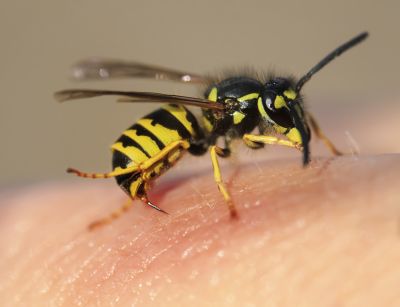
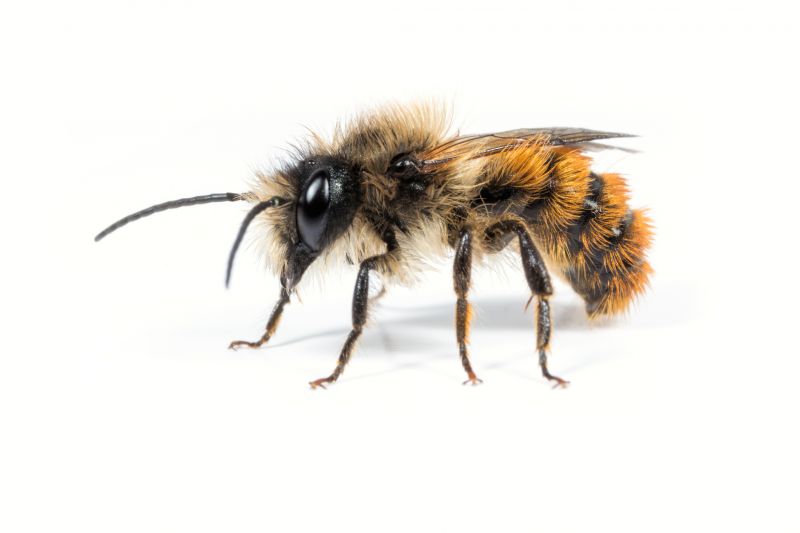

When people search for information about common stinging insects that invade homes, they are usually concerned about identifying which insects are causing problems and understanding the risks involved. These searches often stem from encounters with buzzing insects near windows, eaves, or in the yard, prompting homeowners to seek solutions to prevent or eliminate infestations. The focus is typically on understanding which insects are most likely to establish nests inside or around a residence, as well as recognizing the signs of an active colony. This knowledge helps homeowners decide whether to pursue DIY methods or to seek professional assistance to address the problem effectively.
The issues related to common stinging insects invading homes often involve safety concerns, property damage, and ongoing pest management plans. These insects, such as wasps, hornets, and yellow jackets, can pose risks of painful stings, especially to those with allergies. In addition, their nests can be built in hidden or hard-to-reach areas, making removal challenging without proper expertise. Homeowners may also be interested in prevention strategies to keep these insects from returning season after season. Local service providers specializing in stinging insect control are often called upon to assess infestations, remove nests safely, and implement measures to reduce the chances of future invasions.
Certain types of properties are more prone to attracting common stinging insects that invade homes. Residential houses with accessible eaves, soffits, or attic spaces provide ideal nesting sites. Properties with overgrown shrubs, trees, or debris close to the house can also serve as attractants, offering sheltered locations for colonies to establish. Commercial buildings, especially those with open or poorly sealed entry points, may experience similar issues. Additionally, properties in areas with warm, temperate climates tend to see higher activity of these insects during the warmer months. Local contractors experienced in stinging insect control understand how to evaluate these property features and recommend targeted solutions to prevent future invasions.
Understanding how common stinging insects invade homes helps homeowners recognize the importance of timely intervention. These insects often seek out sheltered areas to build nests, which can be inside wall voids, under roof eaves, or in outdoor structures like sheds and garages. Their presence can be disruptive and potentially dangerous, especially if a nest is disturbed. Local service providers play a key role in safely removing nests and implementing exclusion methods to block entry points, helping to protect property and residents. For homeowners facing recurring problems, connecting with local contractors who specialize in stinging insect control offers a practical step toward resolving infestations and reducing the risk of future invasions.
Pest Inspection Services - Professionals skilled in identifying insect nesting sites and entry points that attract stinging insects into homes, similar to how they locate other pests.
Wildlife Removal Projects - Handling larger insect or animal intrusions involves planning and tools comparable to those used in managing stinging insect invasions.
Home Sealing and Repairs - Sealing cracks and entry points to prevent insect invasions shares techniques with general pest-proofing efforts for stinging insects.
Insect Extermination Services - Targeted treatments for various pests require similar planning and application methods as those used in controlling common stinging insects.
Yard and Landscape Pest Control - Managing outdoor environments to reduce pest habitats involves strategies related to controlling insects that invade homes.
Nest Removal and Exclusion - Removing and preventing nests of stinging insects involves planning and tools similar to those used in other pest exclusion projects.
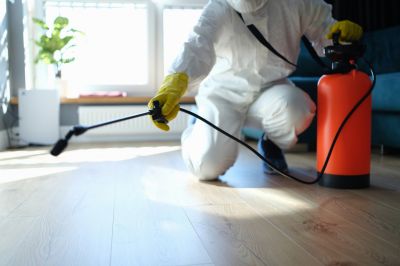
When evaluating service providers for stinging insects control, it is important to consider their experience with similar projects involving common stinging insects that invade homes. A contractor’s familiarity with identifying and effectively treating these pests can influence the success of the service. Homeowners should inquire about how many similar jobs the contractor has completed and whether they have encountered situations comparable to their own, ensuring the provider understands the nuances of dealing with different types of stinging insects and the specific challenges they present.
Clear communication about expectations is a critical aspect of selecting a reliable contractor. Homeowners should seek providers who can articulate their treatment approach, what the process entails, and any necessary follow-up steps. Having written information about what to expect helps prevent misunderstandings and ensures everyone is aligned on the scope of work. Additionally, asking for reputable references or reviews can provide insight into the contractor’s past performance and reliability, helping homeowners gauge the quality of service and customer satisfaction.
Good communication doesn’t end with initial discussions; it continues through the course of the project. Homeowners should look for service providers who are responsive to questions and transparent about their methods. A contractor who maintains open lines of communication can better address concerns, provide updates, and adapt to any unforeseen issues that may arise during treatment. Choosing a provider who values clear, honest dialogue can contribute to a smoother experience and a more effective solution for controlling common stinging insects that invade homes.
Property owners often search for common stinging insects that invade homes when they are planning practical projects around their homes and businesses. Local pros provide Stinging Insects Control services for everyday jobs and straightforward project options.
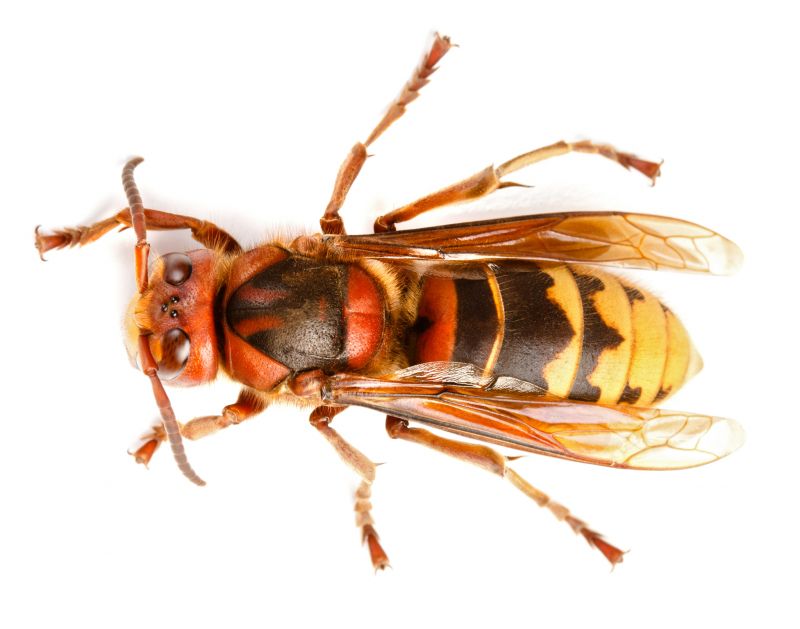
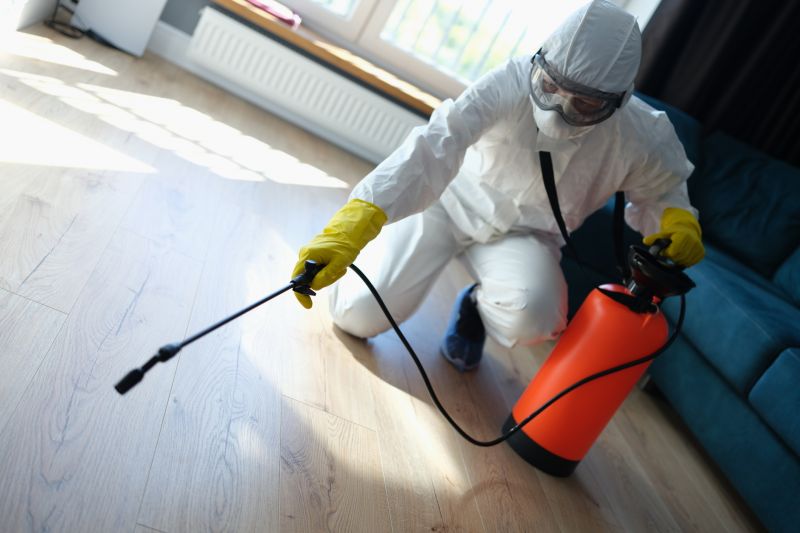
Homeowners in the area often encounter common stinging insects that invade homes, especially during warmer months. These insects, such as wasps, yellow jackets, and paper wasps, tend to build nests in eaves, wall voids, or other sheltered spots around the property. Their presence can lead to unexpected stings and potential safety concerns, particularly for households with children or allergy sufferers. Property owners seeking effective removal and prevention solutions frequently look into Stinging Insects Control services offered by local contractors who specialize in managing these pests safely and efficiently.
Many individuals turn to local service providers when dealing with an infestation of stinging insects that invade homes. These professionals can identify the source of the problem, remove existing nests, and implement measures to prevent future invasions. Whether it’s a small nest in a corner or a larger colony nearby, local contractors have the experience to handle the situation responsibly. Property owners interested in safeguarding their homes and family members often consider connecting with these experts to ensure the problem is addressed thoroughly and effectively.
What are the common stinging insects that invade homes? Common stinging insects that invade homes include wasps, hornets, and yellow jackets, which often seek shelter in wall voids, eaves, or attics.
Why do these insects invade residential spaces? These insects invade homes to find sheltered nesting sites, especially during late summer and fall when they seek places to establish colonies or escape harsh weather.
How can local contractors help control stinging insect invasions? Local contractors can identify nests, remove or treat them safely, and implement preventative measures to reduce future invasions of common stinging insects.
Are there signs that indicate a stinging insect infestation inside a home? Signs include increased insect activity around the exterior, visible nests near entry points, and buzzing sounds coming from walls or ceilings.
What steps should be taken if a stinging insect nest is found inside a home? It’s recommended to contact experienced service providers who can safely remove the nest and advise on measures to prevent future invasions.
Identify nesting sites - property owners can inspect around the home to locate potential nesting areas for common stinging insects that invade homes and have local contractors handle removal.
Seal entry points - sealing gaps, cracks, and openings can prevent these insects from entering living spaces, with local service providers offering targeted sealing solutions.
Schedule preventative treatments - regular treatments around the perimeter of the home can reduce the likelihood of invasions by common stinging insects, with local pros applying appropriate control methods.
Remove attractants - clearing away food sources, debris, and standing water can make the property less appealing to stinging insects, supported by local contractors with expertise in pest deterrence.
If you are thinking about common stinging insects that invade homes for a property, this guide is meant to help you understand this topic, the typical project types, and how different options might fit your plans.
When you are ready, you can use the quote form on this page to share a few details about your project. From there, local pros can review the basics and follow up with options that match what you have in mind.