Signs You Have a Wasp, Hornet, or Yellow Jacket Problem
If you're noticing signs you have a wasp, hornet, or yellow jacket problem, local service providers can safely identify and eliminate nests to protect your home.
Recognizing the signs you have a wasp, hornet, or yellow jacket problem is an important step in protecting your property and safety. These pests often build nests in hidden or hard-to-reach areas such as eaves, sheds, or underground. Common indicators include seeing aggressive insects around your home, discovering papery nests attached to structures, or noticing increased activity near outdoor eating areas. Identifying these signs early can help property owners address the issue before it becomes a more serious concern, and local contractors specializing in pest control can provide effective solutions tailored to the situation.
Exploring the signs of a wasp, hornet, or yellow jacket problem is especially practical for those who enjoy outdoor spaces or have children and pets. These insects can pose a risk of stings, especially if nests are disturbed or left untreated. Property owners in the area might consider reaching out to local service providers who offer targeted treatments to remove nests safely and prevent future infestations. Keeping an eye out for warning signs and understanding when to seek professional help can make a significant difference in maintaining a safe and comfortable environment.
- when signs of nests or stinging insects near your home indicate a wasp, hornet, or yellow jacket problem, local contractors can assess and safely remove the threat. - if you notice increased insect activity or aggressive behavior from stinging insects, local service providers can identify the species and recommend appropriate treatment options. - in cases where buzzing sounds or visible nests are found on eaves, walls, or trees, local pros can evaluate the situation and handle nest removal safely. - when stinging insects are found inside or around your property, local contractors can perform targeted treatments to eliminate the colony and prevent future issues. - if you experience persistent insect sightings or suspect a hidden nest, local service providers can inspect your property and provide effective wasp, hornet, or yellow jacket treatment solutions.
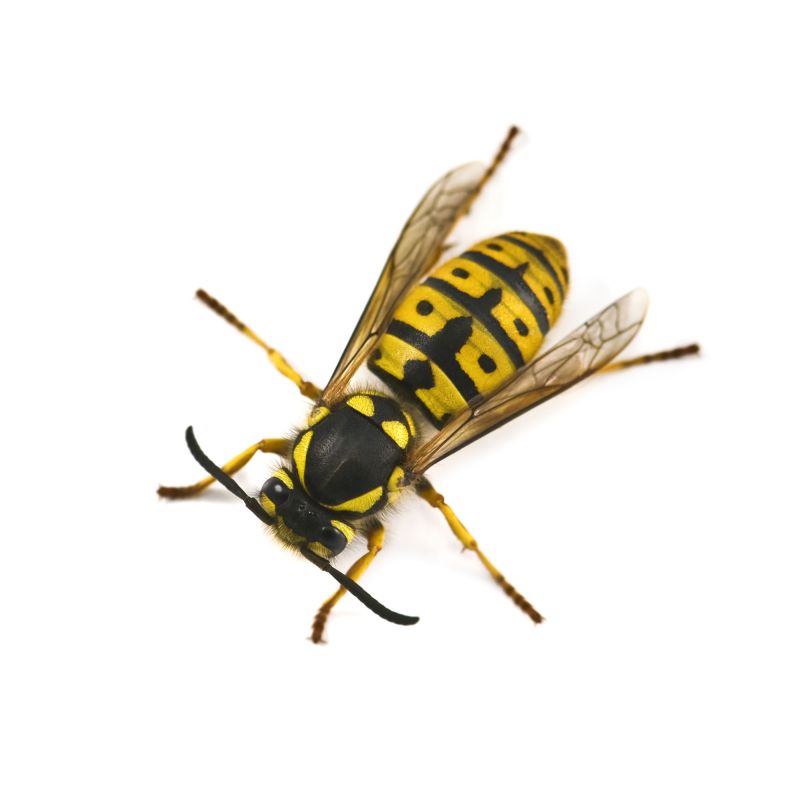
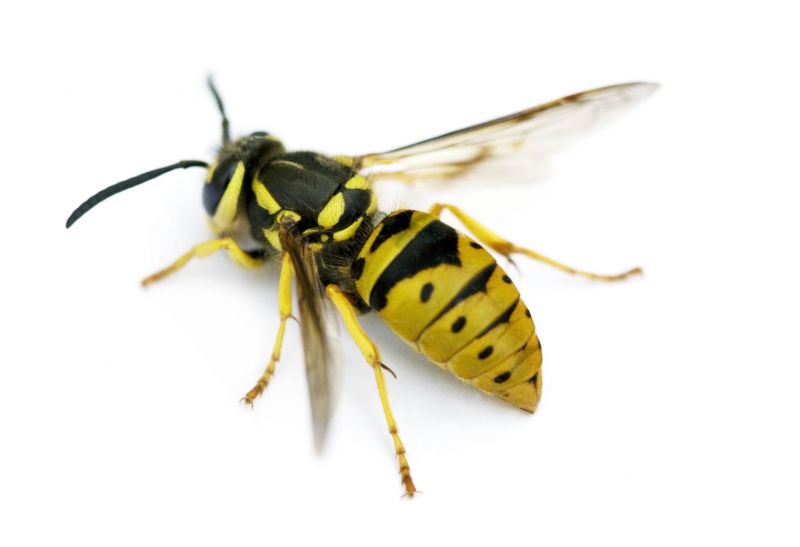
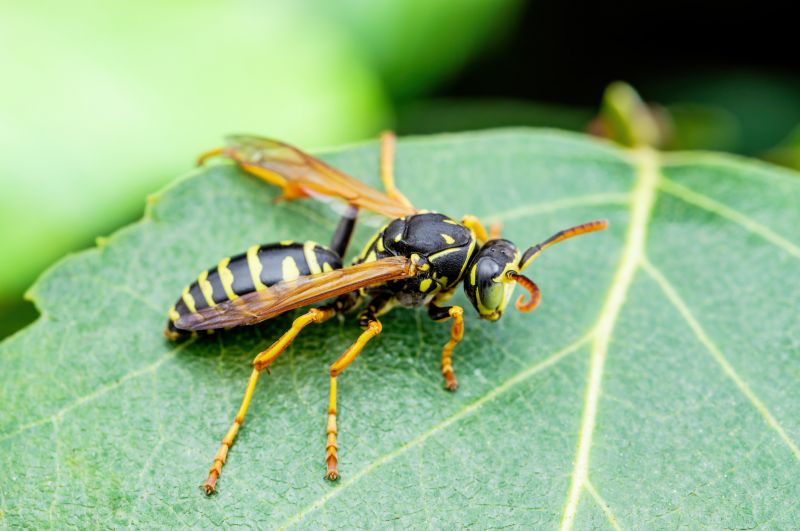
Understanding the signs you have a wasp, hornet, or yellow jacket problem is essential for homeowners who want to address potential infestations early. These insects tend to build nests in or around residential properties, often in hidden or hard-to-see areas. Common indicators include seeing large groups of these insects around eaves, porch ceilings, or window frames, especially during warmer months. Additionally, if there are persistent buzzing sounds near specific spots or if you notice small paper-like structures attached to trees, shrubs, or building exteriors, it may signal an active nest nearby. Recognizing these signs can help homeowners determine whether professional treatment is needed to prevent stings or property damage.
This topic often relates to problems involving outdoor activity safety, property damage, and pest control planning. Wasp, hornet, and yellow jacket nests can pose a risk to residents and visitors, especially if disturbed. For homeowners, the goal may be to eliminate the threat safely or prevent future nests from forming. Local service providers who specialize in pest removal can assess the situation, identify the species involved, and recommend appropriate treatment options. Addressing these issues promptly can reduce the risk of aggressive insect behavior and prevent nests from growing larger, which could lead to more complicated removal efforts or increased property damage over time.
Properties prone to wasp, hornet, or yellow jacket problems often include homes with extensive landscaping, decks, or patios where insects can easily access food sources or nesting sites. Structures like sheds, garages, or abandoned equipment can also serve as nesting locations. In addition, properties with overgrown vegetation, hollow trees, or gaps in siding provide ideal spots for these insects to establish colonies. Recognizing these property types helps homeowners understand where the insects may be hiding and why they are drawn to certain areas. Local contractors experienced in pest management can help evaluate these environments and implement targeted treatments to address existing nests and prevent future ones from forming.
For homeowners, understanding the signs of a wasp, hornet, or yellow jacket problem links directly to ongoing property maintenance and safety projects. Detecting nests early can make treatment safer and more straightforward, as larger colonies tend to be more aggressive and difficult to remove. Local service providers can assist in identifying active nests and applying effective control methods tailored to the specific insect species and property conditions. By addressing these signs promptly, homeowners can reduce the risk of stings, protect family and pets, and maintain a safe outdoor environment. Connecting with local pros ensures that the problem is handled efficiently and safely, helping to keep the property free of unwanted insect colonies.
Pest inspection services - professionals who identify signs of wasp, hornet, or yellow jacket activity often perform detailed inspections to locate nests and entry points.
Wildlife exclusion projects - these projects involve sealing entry points and preventing pests from accessing structures, similar to controlling wasp and hornet infestations.
Insect removal and extermination - local contractors specializing in insect removal use similar techniques to eliminate wasp, hornet, or yellow jacket nests safely.
Yard and landscape pest control - managing outdoor pests and preventing nests in gardens or trees aligns with identifying and treating wasp-related problems.
Structural repairs and sealing - fixing damage caused by pests or sealing gaps mirrors efforts to prevent pests from establishing nests around a property.
Bird and pest deterrent installation - installing deterrents to keep pests away shares planning skills used in managing wasp and hornet activity around homes.
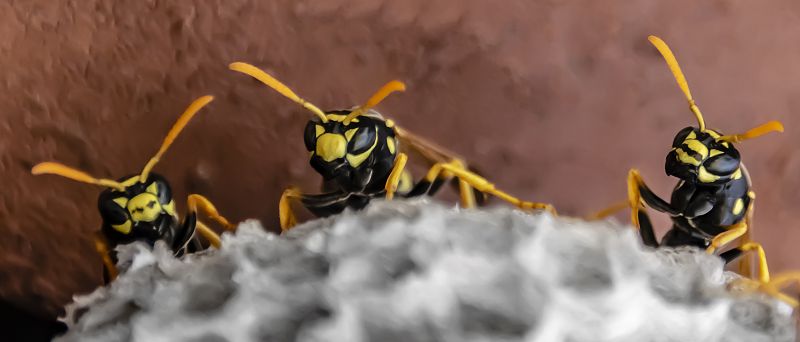
When evaluating service providers for wasp, hornet, or yellow jacket treatment, it’s important to consider their experience with similar projects. Homeowners should seek out local contractors who have a proven track record in handling pest issues of this nature, as familiarity with different types of nests and species can influence the effectiveness of the treatment. An experienced professional will understand the behaviors and habitats of these insects, which can help ensure that the problem is managed safely and thoroughly. Asking about previous work with similar infestations can offer insight into their expertise and help determine if they are well-equipped to handle the specific signs of a wasp, hornet, or yellow jacket problem.
Clear written expectations are a key factor when comparing local service providers. Homeowners should look for contractors who provide detailed descriptions of the scope of work, including what the treatment will involve and any follow-up steps that might be necessary. Transparent communication about the process helps establish trust and ensures that both parties are aligned on what will be done. It also makes it easier to evaluate whether the contractor’s approach matches the homeowner’s concerns about visible signs such as nests, increased insect activity, or stinging insects around the property.
Reputable references and good communication are essential qualities to consider when selecting a pest control professional. Homeowners can benefit from reviews or testimonials that speak to the contractor’s reliability and effectiveness in resolving wasp, hornet, or yellow jacket issues. Additionally, a service provider who communicates clearly and promptly can help answer questions about what to expect during treatment and how to identify ongoing signs of activity. This level of responsiveness and transparency can contribute to a smoother experience and greater confidence in the chosen contractor’s ability to address the signs of a pest problem effectively.
Property owners often search for signs you have a wasp, hornet, or yellow jacket problem when they are planning practical projects around their homes and businesses. Local pros provide Wasp, Hornet, or Yellow Jacket Treatment services for everyday jobs and straightforward project options.
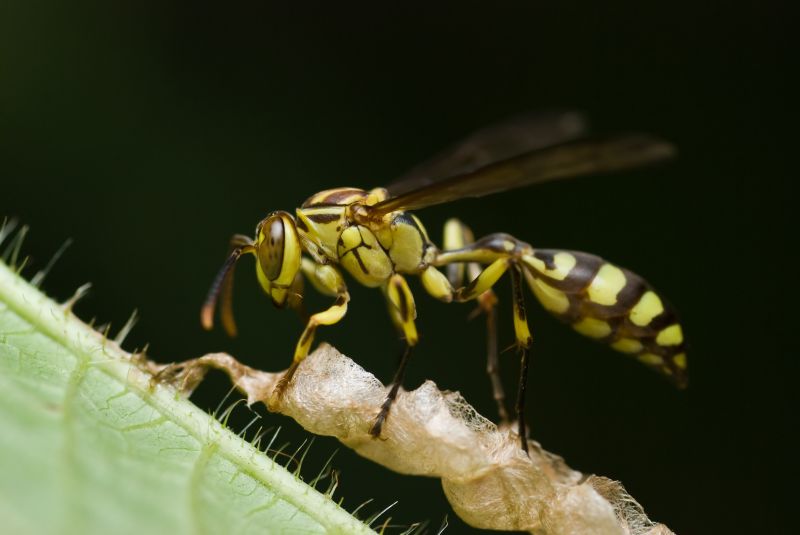
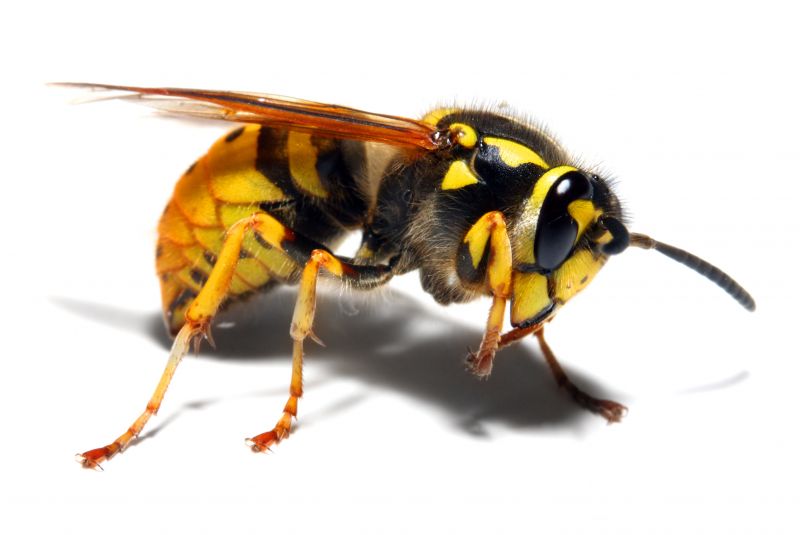
Property owners in the area often notice increased activity around eaves, soffits, or outdoor furniture during warmer months, which can be a sign of a wasp, hornet, or yellow jacket problem. Visible nests tucked away in corners, under decks, or inside wall voids are clear indicators that these insects have established a colony nearby. Recognizing these signs early can help prevent potential stings and property damage, prompting homeowners to seek treatment services from local contractors experienced in managing such pests.
In addition to visible nests, frequent sightings of aggressive wasps or hornets buzzing around outdoor spaces or persistent stinging incidents can signal an active infestation. These insects tend to become more territorial as colonies grow, especially during late summer. Property owners who observe these behaviors or notice increased insect activity near food sources or trash areas might consider reaching out to local pest control specialists for effective treatment options. Connecting with experienced service providers can help address the issue safely and efficiently.
What are common signs of a wasp, hornet, or yellow jacket problem? Visible nests on eaves, walls, or trees, along with increased insect activity around your property, often indicate an infestation that may require professional treatment.
How can I tell if I have a wasp, hornet, or yellow jacket nest nearby? Signs include hearing buzzing sounds near eaves or walls, noticing wasps or hornets flying around specific areas, or seeing a large, papery nest attached to structures.
What should I look for to identify a potential hive or nest? Look for an abnormal buildup of wasps or hornets around certain spots, especially late in the season, and check for papery or mud-like structures that serve as nests.
Are there any visual cues that suggest a wasp, hornet, or yellow jacket problem? Yes, the presence of persistent wasps or hornets near entry points, or the discovery of a nest, are clear indicators that professional treatment may be needed.
When should I consider contacting a pest control service for a wasp, hornet, or yellow jacket issue? If signs such as nests or increased insect activity are observed, it’s advisable to reach out to local contractors who can safely handle removal and treatment services.
Identifying nests around your property - spotting large, papery, or mud-like nests can help determine if wasps, hornets, or yellow jackets are present and in need of treatment services from local contractors.
Noticing increased insect activity near entry points - frequent buzzing or sightings near doors, windows, or eaves may indicate a nearby nest that requires professional removal.
Experiencing stings or aggressive behavior - sudden attacks or multiple stings when approaching certain areas can signal a hive or nest needing expert intervention from local service providers.
Observing discarded insect shells or carcasses - accumulation of shed skins or dead insects around your yard can be signs of a nest that should be addressed by local contractors specializing in pest removal.
If you are thinking about signs you have a wasp, hornet, or yellow jacket problem for a property, this guide is meant to help you understand this topic, the typical project types, and how different options might fit your plans.
When you are ready, you can use the quote form on this page to share a few details about your project. From there, local pros can review the basics and follow up with options that match what you have in mind.